Institute for the Study of Ancient Cultures Museum
Dedicated to researching ancient civilizations of the Middle East & educating the public about them.
Institute for the Study of Ancient Cultures Museum is rated 4.9 / 5 from 497 Google reviews and sits about 4.1 km (51 min walk) from Halsted station.
General overview
About Institute for the Study of Ancient Cultures Museum
The Institute for the Study of Ancient Cultures Museum (ISAC Museum), formerly the Oriental Institute Museum, is a University of Chicago museum devoted to the civilizations of the ancient Near East, including Egypt, Nubia, Persia, Mesopotamia, Syria, Anatolia, and the Levant. Admission has traditionally been free, with donations encouraged. None of the information below has been live-verified; confirm current details on the official website before visiting.
- Ancient Egyptian galleries, including monumental sculpture and objects from daily life and religious practice.
- Collections from Mesopotamia, including Sumerian, Assyrian, Babylonian, and Persian material.
- The famous Lamassu, a colossal winged protective figure from the Assyrian palace at Khorsabad.
- Objects from ancient Iran, Anatolia, Syria, and the Levant.
- Research-oriented displays connected with University of Chicago archaeological excavations and scholarship.
- A compact museum that can be combined with other University of Chicago attractions in Hyde Park.
Things to do here
Permanent galleries
Explore archaeological collections from the ancient Near East, organized by region and culture. Displays commonly include sculpture, inscriptions, ceramics, tools, jewelry, and religious objects.
Assyrian Lamassu
See the monumental winged human-headed bull known as a lamassu, one of the museum's most recognizable objects.
Ancient Egyptian collection
View Egyptian statuary, funerary objects, reliefs, papyri, and artifacts representing several periods of Egyptian history.
Mesopotamian collections
Learn about Sumerian, Akkadian, Babylonian, and Assyrian civilizations through objects and interpretive displays.
Special exhibitions and programs
The museum periodically presents temporary exhibitions, lectures, gallery talks, family activities, and academic or public programs.
Museum shop
Browse books, reproductions, educational materials, and gifts related to ancient cultures and archaeology, subject to current operating arrangements.
Allow extra time for travel and parking in Hyde Park. The museum is on the University of Chicago campus; use the official address and current campus or transit directions. Bring identification if participating in a university-related event.
General admission has traditionally not required advance booking. Check the official website for current timed-entry rules, special events, or group-visit requirements.
This overview is general knowledge, not confirmed against an official source — verify hours, prices and entry rules before you go.
Photo gallery
See it before you go
Most asked
How to reach
Institute for the Study of Ancient Cultures Museum is about 4.1 km (~51 min walk) from Halsted station on the Chicago "L".
Before you go
Good to know
Verify tickets, seasonal hours, entry rules, and special events on the official website before visiting.
Pair it up
Also near this station

Happy Homes
Hotels · 29 min walk
★ 4.8

Dr. Martin Luther King, Jr. Roller Skating and Bowling Center
Restaurants · 34 min walk
★ 4.1

Lem's Bar-B-Q
Restaurants · 40 min walk
★ 4.1

Jewel-Osco
Restaurants · 41 min walk
★ 4.2
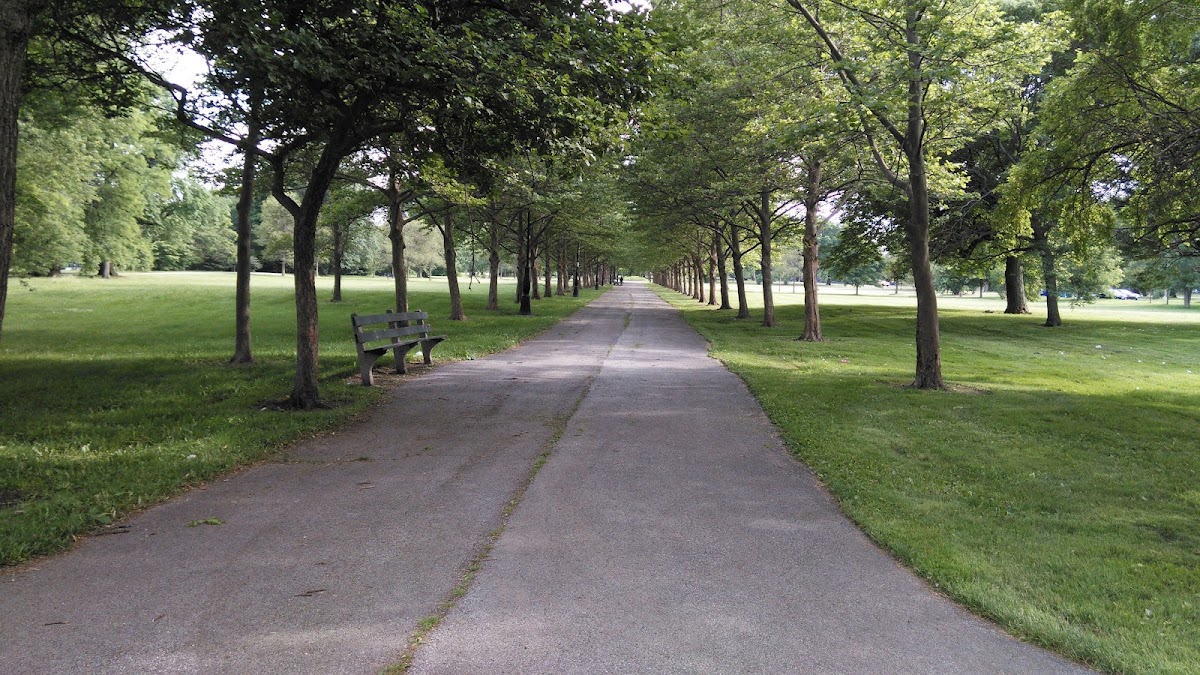
Washington Park
Places to visit · 42 min walk
★ 4.5
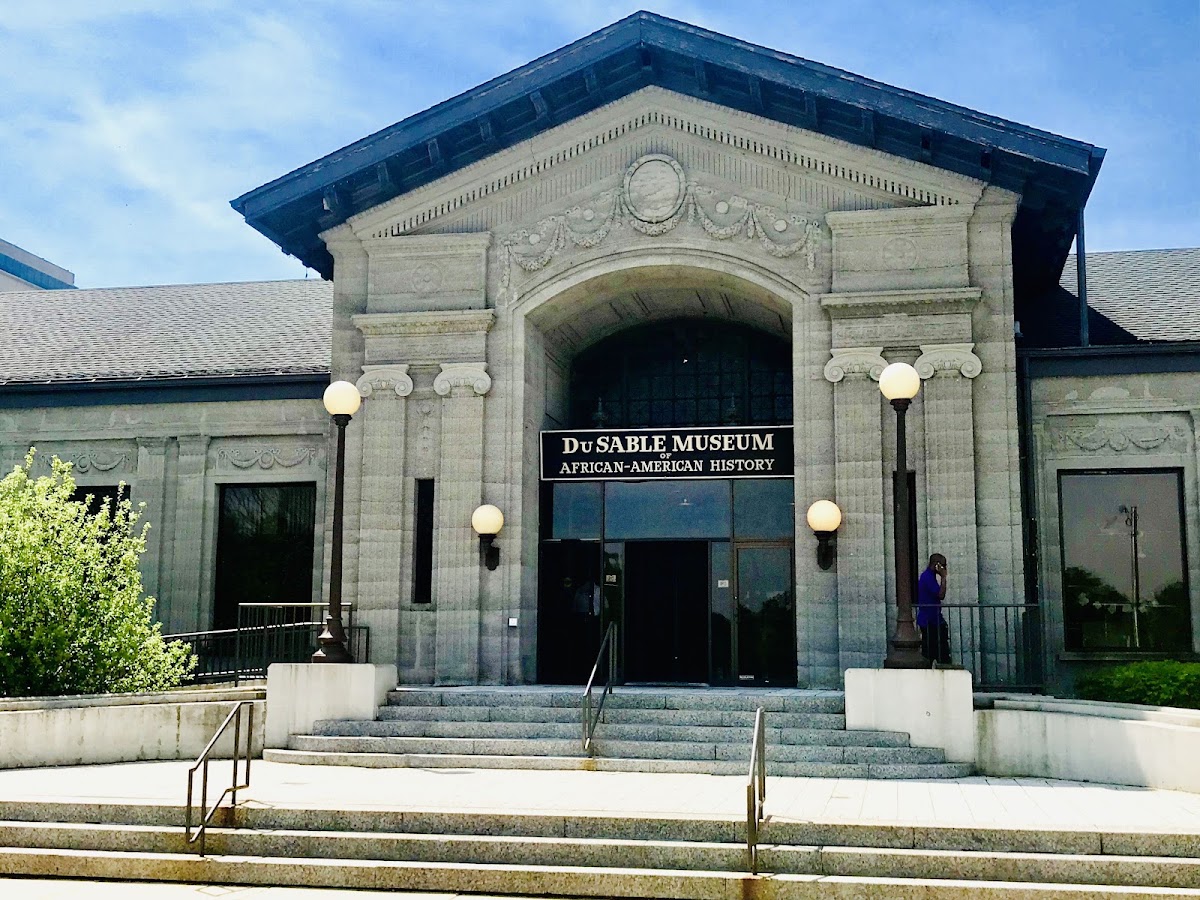
DuSable Black History Museum and Education Center
Places to visit · 43 min walk
★ 4.7
Frequently asked questions
How do I get to Institute for the Study of Ancient Cultures Museum from Halsted station?
Institute for the Study of Ancient Cultures Museum is about 4061 m (roughly 51 min walk) from Halsted station on the Chicago "L". Use the directions link on this page for turn-by-turn walking directions.
What is Institute for the Study of Ancient Cultures Museum rated?
Institute for the Study of Ancient Cultures Museum has a Google rating of 4.9 out of 5 from 497 reviews.
What's near Institute for the Study of Ancient Cultures Museum?
Also within a short walk of the same station: Happy Homes, Dr. Martin Luther King, Jr. Roller Skating and Bowling Center, Lem's Bar-B-Q.
Is Institute for the Study of Ancient Cultures Museum wheelchair accessible?
Yes — Google lists the following accessibility features for Institute for the Study of Ancient Cultures Museum: wheelchair-accessible entrance, wheelchair-accessible parking, wheelchair-accessible restroom.
Is there parking near Institute for the Study of Ancient Cultures Museum?
Google lists these parking options near Institute for the Study of Ancient Cultures Museum: free parking lot, paid parking lot, free street parking.
Is Institute for the Study of Ancient Cultures Museum good for children?
Yes — Google lists Institute for the Study of Ancient Cultures Museum as good for children.
Is admission free?
The museum has traditionally offered free general admission, with donations encouraged. Confirm the current policy before visiting.
Do I need a reservation?
Advance reservations have generally not been required for ordinary museum visits, but timed entry, group reservations, or event registration may apply at certain times.
What is the museum's former name?
It was formerly known as the Oriental Institute Museum. It was renamed the Institute for the Study of Ancient Cultures, West Asia & North Africa, commonly shortened to ISAC.
How long should I spend there?
Plan approximately 1.5 to 2.5 hours for a comfortable visit to the main galleries.
Can children visit?
Yes. The collections can be suitable for families, although some material concerns ancient death, religion, warfare, or human remains. Check for family programs and age guidance.
Can I take photographs?
Personal photography is generally allowed without flash, but restrictions can apply to particular objects, temporary exhibitions, or commercial photography.
Where is it located?
The museum is at 1155 E 58th Street in Chicago's Hyde Park neighborhood, on the University of Chicago campus.
Is there parking?
Nearby street and campus parking may exist, but spaces and regulations vary. Check current University of Chicago parking information or consider public transportation.
Are the hours and prices current?
No. This information was prepared from existing general knowledge and has not been live-verified. Hours, admission policies, programs, accessibility arrangements, and other practical details can change.
Data and photos from Google Places, generated August 23, 2026. Ratings, hours and prices can change — confirm anything time-sensitive before you go.